Question
Dispatch priorities
Question
What is first hand signal called
Question
What is second hand signal called
Question
Rulebook safe dispatch. What does a safe dispatch look like?
Question
Overview of a safe dispatch
Question
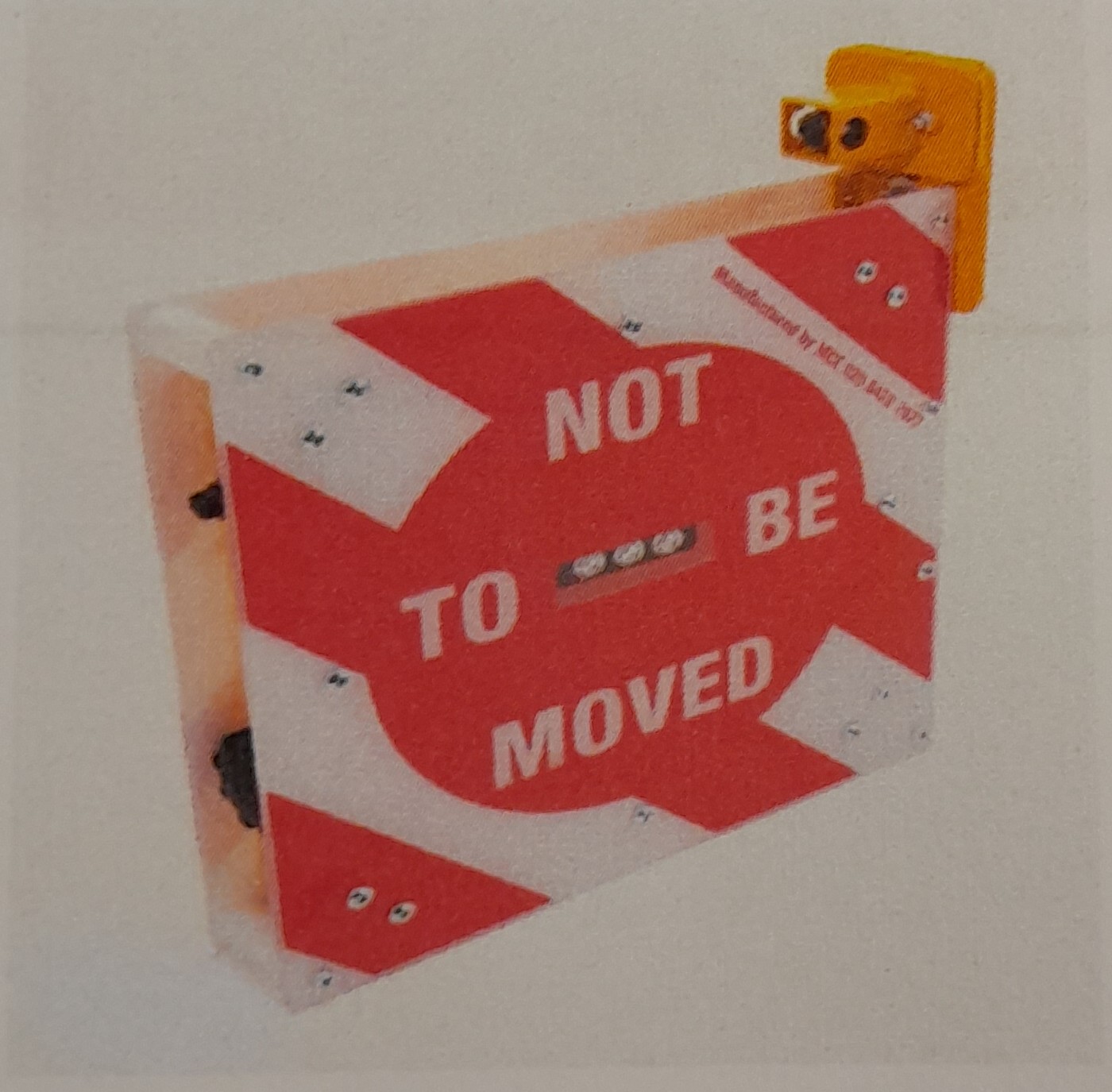
What does this board mean? Who can remove it?
Question
When do PTI incidents happen
Question
Who are most at risk
Question
Risky passenger behaviours
Question
What should TM do to avoid distractions
week 2 Dispatch theory
 TestMaker
Score
0 / 10
Correct rate
0%
Correct: 0
Incorrect: 0
Unanswered: 10
week 2 pts

week 2 pts
Chris C · 70 questions · 2 y agoweek 2 pts
week 2 pts
70 questions • 2 y agoweek 1 wons sectional appendix
week 1 wons sectional appendix
Chris C · 25 questions · 2 y agoweek 1 wons sectional appendix
week 1 wons sectional appendix
25 questions • 2 y agoweek 1 signalling
week 1 signalling
Chris C · 59 questions · 2 y agoweek 1 signalling
week 1 signalling
59 questions • 2 y agoweek 2 Azuma
week 2 Azuma
Chris C · 72 questions · 2 y agoweek 2 Azuma
week 2 Azuma
72 questions • 2 y agomark 4
mark 4
Chris C · 60 questions · 2 y agomark 4
mark 4
60 questions • 2 y agoweek 4 DOTE
week 4 DOTE
Chris C · 23 questions · 2 y agoweek 4 DOTE
week 4 DOTE
23 questions • 2 y agoWeek 4 Protection
Week 4 Protection
Chris C · 20 questions · 2 y agoWeek 4 Protection
Week 4 Protection
20 questions • 2 y agoWeek 4 Out of course situations
Week 4 Out of course situations
Chris C · 11 questions · 2 y agoWeek 4 Out of course situations
Week 4 Out of course situations
11 questions • 2 y agoRules element 1 preparation for duty
Rules element 1 preparation for duty
Chris C · 9 questions · 2 y agoRules element 1 preparation for duty
Rules element 1 preparation for duty
9 questions • 2 y agoRules element 2 preparing trains for duty
Rules element 2 preparing trains for duty
Chris C · 10 questions · 2 y agoRules element 2 preparing trains for duty
Rules element 2 preparing trains for duty
10 questions • 2 y agoRules element 3 safe movement of trains
Rules element 3 safe movement of trains
Chris C · 28 questions · 2 y agoRules element 3 safe movement of trains
Rules element 3 safe movement of trains
28 questions • 2 y agoRules element 4 out of course situations
Rules element 4 out of course situations
Chris C · 13 questions · 2 y agoRules element 4 out of course situations
Rules element 4 out of course situations
13 questions • 2 y agoElement 9 mark 4 traction
Element 9 mark 4 traction
Chris C · 22 questions · 2 y agoElement 9 mark 4 traction
Element 9 mark 4 traction
22 questions • 2 y agoElement 10 Azuma
Element 10 Azuma
Chris C · 74 questions · 2 y agoElement 10 Azuma
Element 10 Azuma
74 questions • 2 y agofire paper
fire paper
Chris C · 30 questions · 2 y agofire paper
fire paper
30 questions • 2 y agoQuestion list
1
Dispatch prioritiesSafety, Punctuality, Customer experience
2
What is first hand signal calledStation work complete
3
What is second hand signal calledTrain safety check complete
4
Rulebook safe dispatch. What does a safe dispatch look like?Have all doors closed securely?, Look out for anbody or anything too close to the train, Is there anybody trapped in the train? (by clothing), Is it still safe to continue?
5
Overview of a safe dispatchEnsure you are in position as per matrix, Check it is right departure time, Check you have starting signal/off indicator, Can you see lead dispatcher clearly?, LOOK OUT FOR ANYONE ANYTHING TOO CLOSE TO THE TRAIN, Acknowledge dispatchers at both hand signals, Have all doors closed properly?, Recheck nothing and nobody trapped in doors or within PTI, Is it still safe to continue?, Give a clear ready to start signal to driver 2 on buzzer, Look out for late running customers, Remain at your door until train leaves platform
6
What does this board mean? Who can remove it?Do not move the train. Used by fitters or tankers, something important is being done on the train. Conversation with dispatcher ONLY the person that put it on can remove it
7
When do PTI incidents happenAlighting from a train more hazardous than boarding, Platform edge just as dangerous with or without a train, Weekends, after 8pm, off peak, summer, wet and icy
8
Who are most at riskIntoxicated, Women over 50s, Men when no train is present, Impairments, People with baggage
9
Risky passenger behavioursWaiting, walking, sitting very close to platform edge, Leaning on the train, Not paying attention to surroundings, Running or rushing in general
10
What should TM do to avoid distractionsFollow rules and procedures step by step every time, Avoid distractions during train safety check, If dispatch process is stopped or interrupted at all, start again, Check passengers safely boarded/alighted the train before closing doors, Visual check of the doors before departing, Do not rely on interlock if doors are safe, Do not rush passengers on or off the train